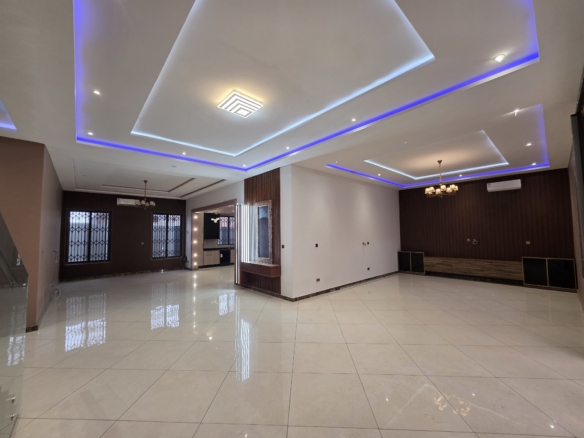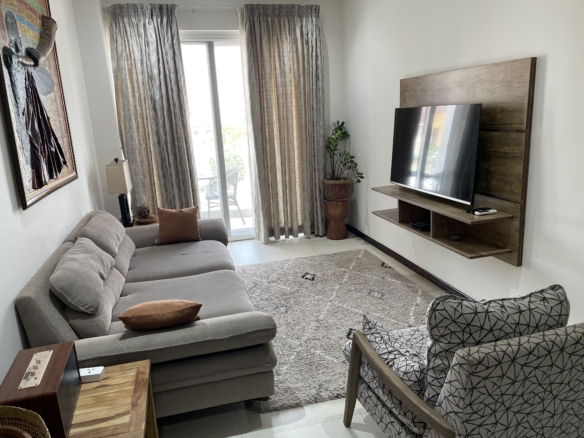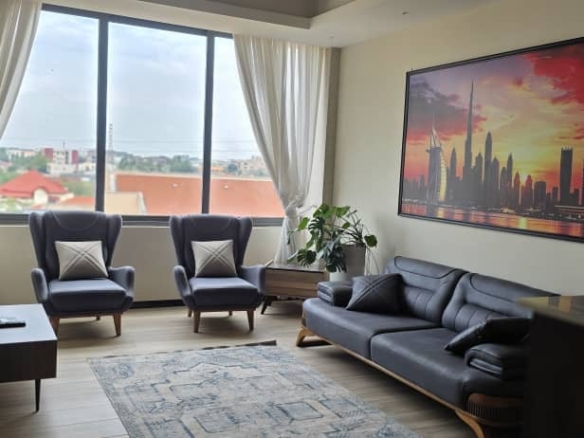
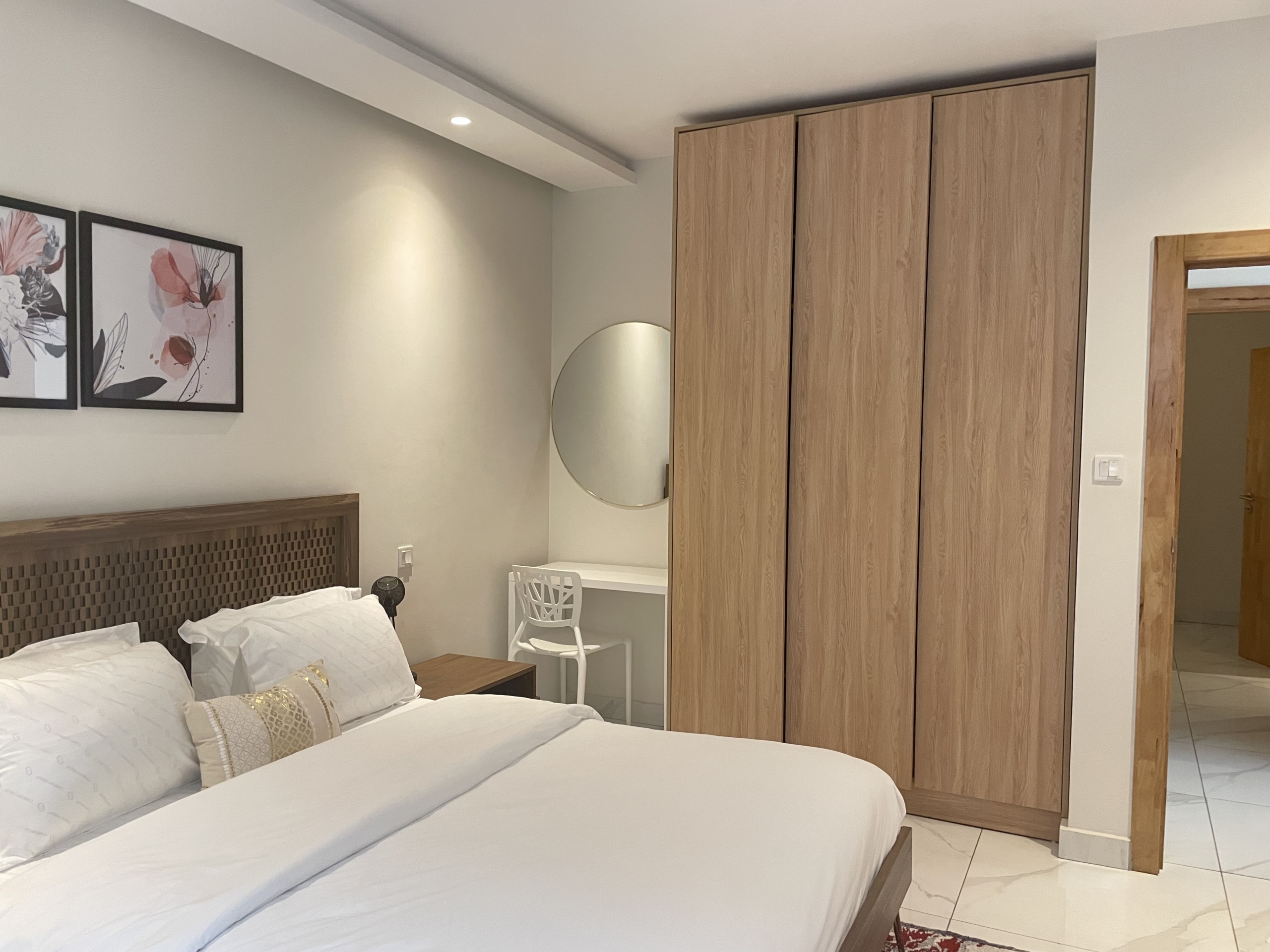

You’ve found a flat in East Legon, the landlord wants two years’ rent upfront, and you have 48 hours to decide. Sound familiar? Ghana’s new Rent Control digital portal gives you a way to slow that pressure down, get things in writing, and create an official record before a single cedi leaves your pocket. Knowing how to use the Ghana Rent Control digital portal is now one of the strongest defences a tenant has in 2026.
What rentcontrol.mwh.gov.gh Actually Does
Launched in September 2024 by the Ministry of Works and Housing in partnership with SuperTech Limited, rentcontrol.mwh.gov.gh is the official one-stop portal for rental services in Ghana. It lets landlords and tenants register properties, sign digital tenancy agreements, file complaints, and track disputes online instead of queuing at a Rent Control office. The system is live in 15 offices across 11 regions, according to the Ministry of Works and Housing.
The portal also matters because enforcement is sharpening. The Acting Rent Commissioner has stated that from 1 April 2026, landlords demanding more than six months’ advance rent face prosecution under the Rent Act 1963, as reported by GhanaWeb. A digital record on the portal is now your clearest evidence.
What to Have Ready Before You Log In
Sort these out first to avoid stalling halfway through:
- Your Ghana Card or TIN
- Property address and the landlord’s full name and number
- The draft tenancy terms you’ve agreed on: rent, duration, advance, services included
- Bank or MoMo proof of any payment you’ve already made
Landlords should add their title deed, indenture, or lease document and a list of units they want to register.
Step 1: Create Your Account Before You Sign Anything
Visit rentcontrol.mwh.gov.gh, click Sign In or Register, and pick your role as tenant, landlord, or both. Enter your Ghana Card details and verify through your phone or email. Do this before you pay an advance. An account opened after a dispute starts looks reactive. One opened before signing looks like due diligence.
Step 2: Pre-Deal Checks That Save You Money
Once logged in, use the portal as your shield:
- Ask the landlord to register the property on the portal first. A registered listing means they’ve engaged with Rent Control and have less room to deny terms later.
- Pull your agreed terms into the portal’s digital tenancy agreement tool and have both parties sign electronically. Rent Control then holds an official copy from day one.
- If the landlord refuses to register or sign digitally, treat it as a warning. Genuine landlords have nothing to hide.
I once watched a friend in Spintex pay GH₵18,000 upfront on a verbal promise. When the landlord raised the rent six months in, she had nothing but WhatsApp screenshots. A portal-signed agreement would have ended that argument in one click.
Step 3: Register the Tenancy and Get a Time-Stamped Record
After signing, upload the agreement, inventory, start and end dates, advance paid, and any receipts. Your tenancy now sits inside an official government system with a timestamp. If the landlord later claims the rent was higher or the term shorter, the portal speaks for you.
Step 4: File Complaints Online When Things Go Wrong
Log into your account, open the Complaints section, and fill in the property details, parties, and nature of the issue: illegal eviction, withheld deposit, sudden rent hike, or harassment. Attach receipts, photos, and your agreement. The case gets a number, an assigned officer, and a tracking status. The Rent Control Department resolves over 73,000 disputes with an 82.7% success rate, with case numbers issued within 10 days.
What the Portal Will Not Do for You
Be honest with yourself. The portal does not force landlords to charge fair rents overnight, does not resolve cases instantly, and does not replace solid documentation. Some regions are still rolling out the system. Treat it as a strong tool, not a magic fix.
Your Quick Action List
Before paying: account created, agreement uploaded, payment proof saved. During tenancy: every receipt is logged, any rent change is reported, complaints filed early while the evidence is fresh.
Use Ghana Property Finder to compare honest rent levels across Accra, Tema, and Kumasi, find landlords open to digital agreements, and avoid the suspiciously cheap traps. Then formalise everything on rentcontrol.mwh.gov.gh. Together, the two tools turn renting in Ghana from a gamble into a paper trail.
Questions Tenants Ask Us Most
Is the portal free to use?
Yes, account creation and most registrations are free. Filing formal complaints attracts a small government fee.
My landlord refuses to use the portal. What now?
Insist, walk away, or sign a paper agreement and upload it yourself with photo evidence of payment. Then file a registration request with the local Rent Control office.
Can diaspora Ghanaians use the portal from abroad?
Yes. Once you have a Ghana Card and TIN, you sign in from anywhere and complete the entire tenancy process online.
What if my landlord demands two years’ advance?
The Rent Act limits advance rent to six months. Report the demand on the portal. From April 2026, prosecution applies.
Does a portal record replace a lawyer in serious disputes?
No. For eviction or large financial claims, the portal gives you evidence, but you still need legal counsel.
Ready to rent smarter in 2026? Browse verified listings on Ghana Property Finder and step into your next tenancy with the receipts to back you up.