
Q1 2026 brought measured progress to Ghana’s property market. Inflation is easing from its 2023-2024 peaks. The Bank of Ghana has cut its policy rate, and the Ghana Reference Rate is trending into the mid-teens. That combination is slowly improving mortgage affordability and developer finance conditions.
This is not a boom market. It is a market that rewards quality assets, realistic pricing, and clean documentation. Speculators will find it difficult. Patient, well-positioned buyers will find genuine opportunities.
Ghana Property Market: Q1 2026 Snapshot
Three themes define Q1 2026:
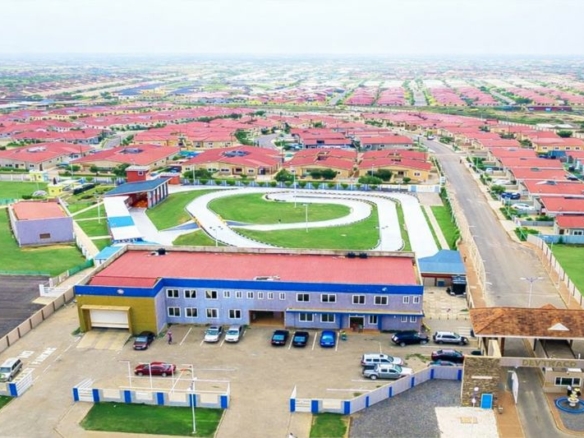
- Mid-market townhouses and gated community homes are the strongest performers, with some clusters recording double-digit annualised price growth in cedi terms.
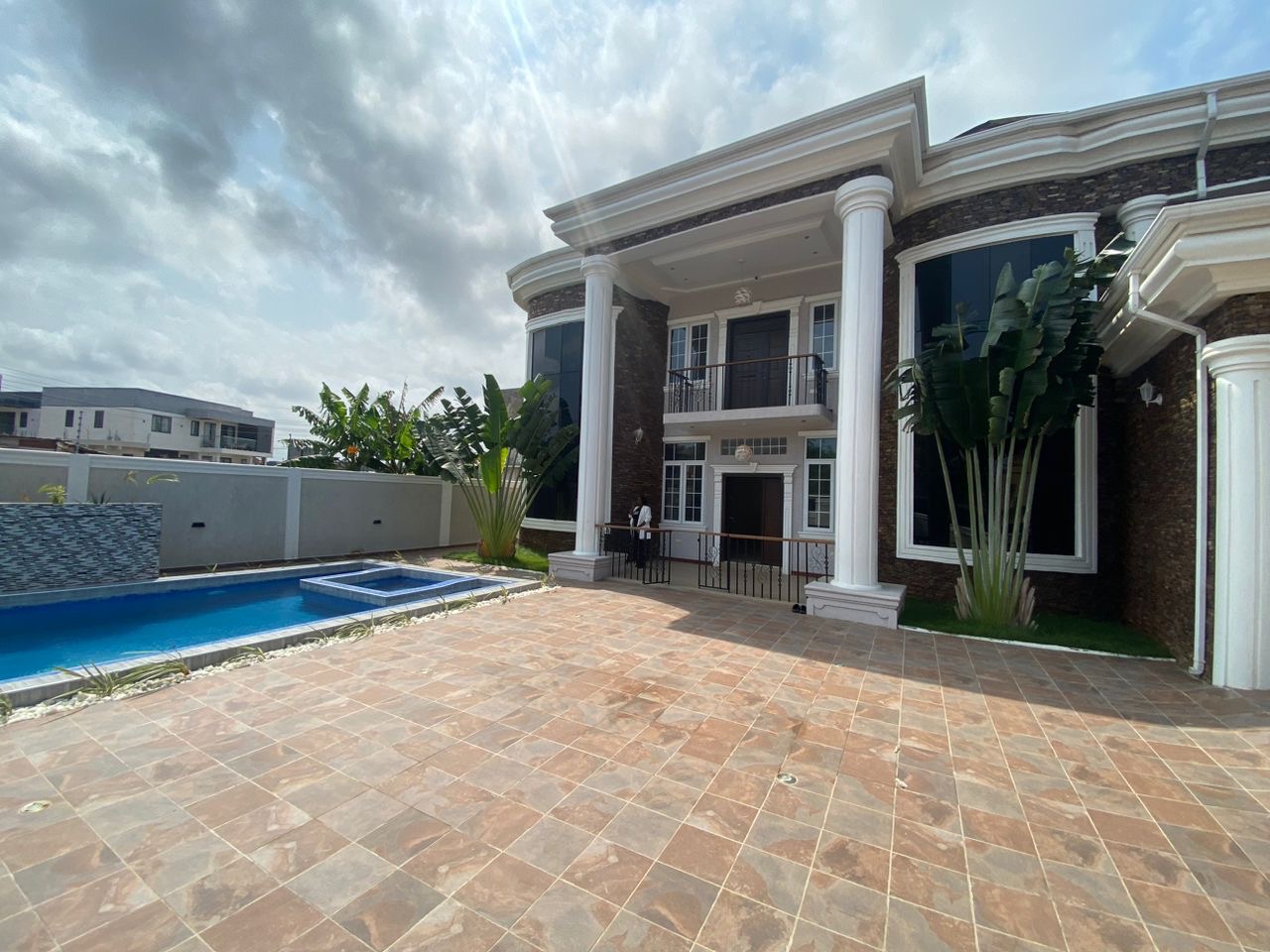
- Luxury apartments in prime Accra enclaves remain sluggish. Oversupply and a limited buyer pool are pushing selling times past six months in many cases.
- Rental yields are stable to slightly improving for well-managed, well-located stock.
Nominal price growth across mainstream segments sits in the 5-8% annualised range for Greater Accra. Selected gated clusters are higher. Oversized luxury villas and generic high-end apartments are flat or soft.
Price Trends by Segment
| Segment | Q1 2026 Direction | Key Drivers | 2026 Outlook |
| Prime luxury villas (Accra) | Flat to slight up | Oversupply, limited buyers | Cautious |
| Mid-market townhouses | Up | Undersupply, strong demand | Positive |
| City apartments (good locations) | Mixed | Design and management quality | Selective |
| Suburban family homes | Up | Infrastructure, urban expansion | Positive |
Figures are indicative ranges from market and policy sources, not formal valuations.
Regional Breakdown
Accra and Greater Accra
Accra leads on price. Mainstream segments are posting 5-8% annualised appreciation. Demand is strongest for 2-3 bedroom units and townhouses along corridors like Airport Residential, Dzorwulu, East Legon, and Tse Addo. Peri-urban zones such as Adenta, Oyarifa, Pokuase, and Kasoa are attracting end-users and yield-focused investors as infrastructure improves.
Kumasi
Nhyiaeso, Ahodwo, and Asokwa continue to record price levels well above early 2020s baselines. Logistics and commercial expansion support ongoing residential demand.
Takoradi and Cape Coast
These markets remain modest but stable. Investors focused on rental income near port and industrial activity are the main buyers.
Rental Market and Yields
Urbanisation, young professionals, corporate tenants, and diaspora buyers who prefer “lock-up-and-leave” setups all sustain rental demand. Indicative yield ranges:
- Mid-market apartments in established Accra suburbs: 6-9% gross
- Townhouses in gated communities: 5-8% gross
- Family homes in growth corridors: 7-10% gross
Vacancy is a real risk in the luxury apartment segment, where too many similar units compete for a small tenant pool. Well-managed mid-market stock absorbs quickly.
Liquidity and Buyer Behaviour
Correctly priced, well-located mid-market properties with clean title are selling in one to three months. Overpriced assets or those with documentation issues are sitting for six months or longer.
Dominant buyer profiles in Q1 2026:
- Cash-heavy local investors
- Returning diaspora
- Cautious end-users stretching for primary homes
- Selective institutional capital
Documentation quality now directly affects both sales speed and achievable price. Properties registered under the Land Act with a clear title command a premium.
Key Risks to Watch
- Mortgage APRs remain high in real terms; most transactions are still cash-driven
- Generic luxury apartments face soft returns and longer vacancy periods
- Land title disputes and regulatory shifts create transaction friction
- Cedi volatility and inflation trajectory affect USD-linked pricing and diaspora confidence
Q2-Q4 2026 Outlook
Base case: 5-10% nominal annual appreciation in healthy segments, assuming macro stability holds. Well-designed mid-market townhouses and clean-title suburban homes lead performance.
Upside case: Stronger demand if policy rates fall faster or FX stability continues.
Downside case: Slower volumes if financing stays tight or new supply floods sub-markets.
Key Takeaways
- Q1 2026 shows a stabilising but selective Ghana property market
- Mid-market, well-located properties with clean title continue to outperform
- Financing is easing, but it still demands realistic expectations and strong cash buffers
- Micro-location, quality, and management separate strong performers from poor ones
Ready to review your 2026 property plans? Leverage Q1 data to secure high-growth properties. [Explore Our Vetted Listings]