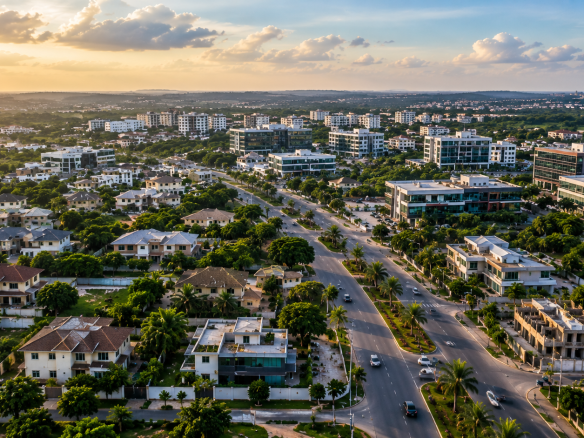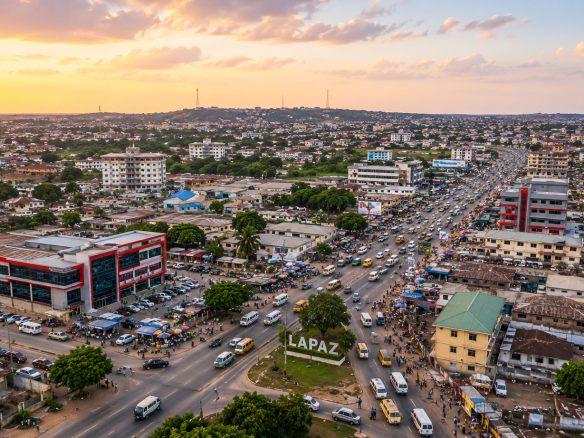

Weija Gbawe Municipal is one of the most compelling real estate stories coming out of Accra right now. Sitting along the Accra–Cape Coast highway in western Greater Accra, this municipality has evolved quickly from quiet farmland into a genuine urban–suburban destination. Property values here are expected to appreciate 5–10% through 2025, and the growth drivers are straightforward: a major commercial anchor, improving road links, and scenery that inner-city Accra simply cannot offer.
If you are a family chasing space, a diaspora investor building wealth, or a professional tired of fighting Accra traffic from the east side, Weija Gbawe is worth a serious look.
Why Location Is Everything Here
The municipality sits in the western arm of Greater Accra, with Weija as its capital town. It was carved out of the former Ga South Municipal in 2018. Its borders run toward Ga Central to the east and open up to the Gulf of Guinea to the south, giving residents both highway speed and coastal access.
The Accra–Cape Coast highway is the spine of daily life here. Off-peak, you reach central Accra and Kotoka International Airport in 25–30 minutes. That commute time is a significant draw for professionals who refuse to pay Airport Residential prices for the same distance benefit.
Key residential pockets include New Weija, Gbawe, McCarthy Hill fringes, Tuba, and the estates clustered around West Hills Mall.
Weija Dam: The Scenic Asset You Need to Respect
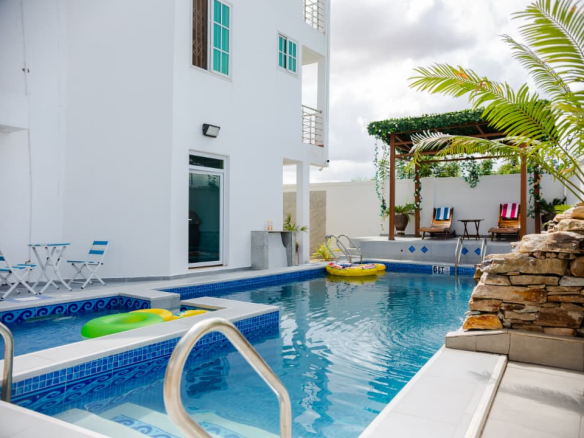
The Weija Dam on the Densu River supplies roughly 80% of Accra’s potable water. It is also the defining geographical feature of this municipality. Hilltop developments like Eden Heights, positioned directly behind West Hills Mall, benefit from elevated sightlines toward the lake and the surrounding green hills. That combination of water views and estate living creates a resort feel at a western corridor price.
The risk is real, though. Some downstream and low-lying communities have experienced flooding during controlled dam spillages after heavy rains. Buying in Weija Gbawe without checking the flood history of your specific plot is a mistake you do not want to make. Consult the Lands Commission, speak to the local Municipal Assembly office, and confirm whether your chosen area sits outside the high-risk buffer zone.
Three Neighbourhoods Worth Understanding
New Weija and the West Hills Mall belt form the mixed-use core of the municipality. Apartments, estates, retail, and hospitality converge here. Eden Heights offers 1-bedroom units from approximately USD 90,000–100,000 and 2-bedroom units from around USD 125,000–130,000, with larger penthouses reaching USD 400,000. Those prices sit materially below Airport Residential for comparable finishes.
Gbawe and Bulemi Hills attract upwardly mobile local families and diaspora returnees. The area features both established self-compound homes and new duplexes, many with open hill views toward the sea. Road quality on the main spines is solid, and West Hills Mall is a short drive away.
Tuba and the Kokrobite corridor cater to a different buyer entirely. If you want beach access to Bojo Beach or Kokrobite on weekends while commuting toward Accra during the week, this pocket gives you that balance. Development is more mixed-density here, ranging from luxury guesthouses to practical self-builds.
The Investment Case in Plain Terms
West Hills Mall is the commercial engine that makes the whole municipality function. Since opening in 2014, it has drawn retail, banking, dining, and entertainment into western Accra, and residential development has followed. Strong rental demand comes from professionals, young families, and some expatriates who want gated-estate amenities without inner-city price tags.
Land plots in developing sections of New Weija, Gbawe, and Tuba remain available for buyers who want to build gradually. Title clarity and flood-zone checks apply here, too. Always verify at the Lands Commission before any transaction.
What to Do Before You Commit
Visit the property at different times of day. Check traffic on the highway during the 6:30–9:30 AM and 4:30–7:00 PM rush hours. For estate apartments, review service charges, security arrangements, and backup power and water systems. For rentals, confirm advance rent expectations and who handles repairs.
Weija Gbawe Municipal rewards thorough due diligence. The buyers and investors who do the groundwork consistently get the best results in this corridor.
Browse verified Weija Gbawe Municipal listings on GhanaPropertyFinder.com. Filter by locality, budget, and amenity to compare lakeside estates, Gbawe duplexes, and Tuba compounds side by side. Connect with a local agent who knows both the growth potential and the environmental considerations in this municipality before you visit.
FAQs
Q: Is Weija Gbawe Municipal safe from flooding?
A: Specific micro-locations matter enormously. Properties on elevated ground in Gbawe, New Weija, and around Eden Heights are generally outside flood-risk zones. Low-lying areas downstream of the Weija Dam carry a higher risk. Always check flood history and confirm with the Municipal Assembly before buying.
Q: How far is Weija from central Accra?
A: Off-peak, around 25–30 minutes by road. During morning and evening rush hours, expect 45–60 minutes or more, depending on your exact starting point and route.
Q: What is the price range for apartments near West Hills Mall?
A: Entry-level 1-bedroom units in established developments start around USD 90,000–100,000. Two-bedroom units typically range from USD 125,000 to 130,000. Larger penthouses and 4-bedroom units can reach USD 400,000 depending on floor level and finishes.
Q: Can diaspora buyers purchase property in the Weija Gbawe Municipal?
A: Yes. Non-residents and diaspora buyers can legally purchase property in Ghana. Conduct title searches at the Lands Commission, use a qualified Ghanaian solicitor, and confirm the registration status of any land or building before completing a purchase.
Q: What documents should I check when buying in Weija Gbawe Municipal?
A: Verify the site plan, indenture, and Land Title Certificate at the Lands Commission. Confirm there are no encumbrances, litigation flags, or competing family claims. For estate apartments, review the deed of assignment and service charge structure.