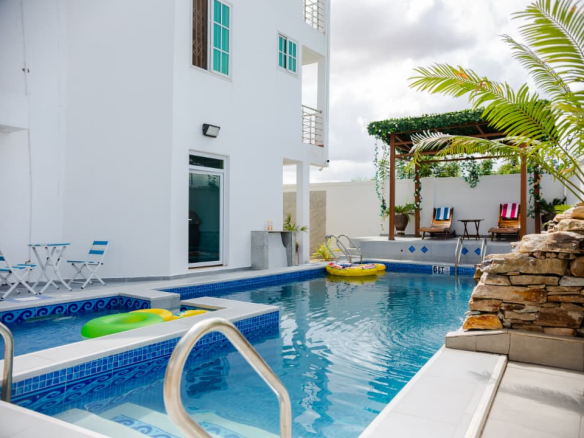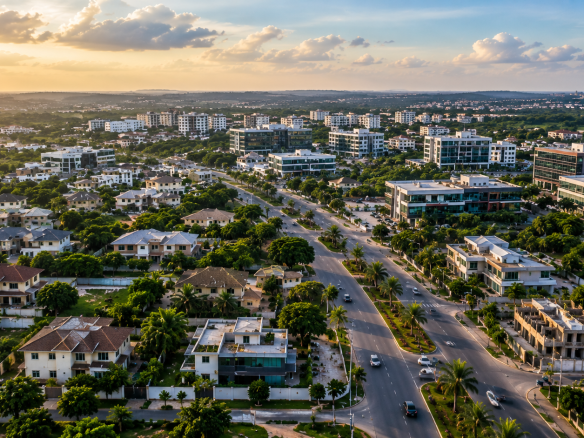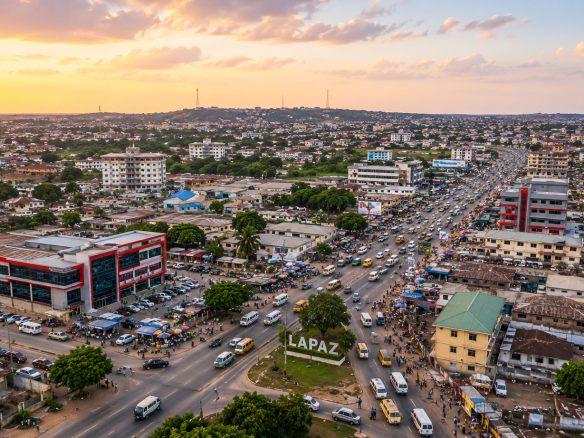
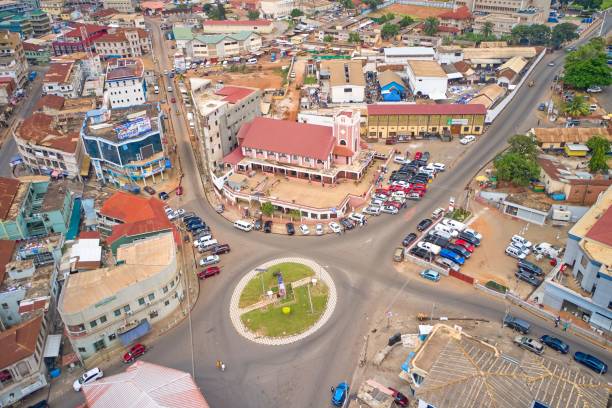

Kumasi sits at the heart of the Ashanti Kingdom, blending centuries of royal heritage with modern infrastructure that draws buyers, renters and investors from across Ghana and beyond. While Accra grabs headlines, this city offers lower entry prices, strong rental yields and a slower pace that appeals to families, students and diaspora buyers tired of capital-city premiums. You will find paved roads meeting kente markets, gated estates rising near historic shrines, and property prices that still leave room for long-term growth.
Understanding Kumasi Weather and What It Means for Your Home
Kumasi weather shapes every buying decision. The city experiences warm temperatures year-round with two rainy peaks between April and June, then again from September to October. Heavy downpours test roofing, drainage and plot elevation across every neighbourhood.
Smart buyers inspect roof condition first, checking for leaks or weak trusses that buckle under sustained rain. Elevated plots drain faster than low-lying compounds, and proper gutters prevent water pooling against foundations. Ventilation matters too because humidity stays high even in drier months, so cross-flow windows and high ceilings keep rooms comfortable without constant air conditioning.
Rainy-season traffic slows on poorly surfaced roads, so your neighbourhood’s pavement quality affects daily commutes and resale appeal. Areas with confirmed drainage projects command premiums for good reason.
Getting There: Road Links and Flight From Accra to Kumasi
The Accra–Kumasi Highway connects the two cities with journey times ranging from 4.5 to 6 hours depending on traffic, construction zones and weather conditions. Ongoing upgrades aim to cut travel times, but road trips still demand patience during peak seasons.
A flight from Accra to Kumasi takes 40 to 45 minutes, and expanded capacity at Kumasi International Airport makes shuttling between cities practical for business travellers, diaspora visitors and investors managing properties in both locations. Neighbourhoods within 15 km of the upgraded airport saw land prices rise 10 to 15% since the expansion launched, proving that connectivity drives demand and valuations across surrounding corridors.
Key Residential Neighbourhoods in Kumasi
Ahodwo and Nhyiaeso anchor the upper-middle-class market with paved roads, mixed-use character and strong appeal among professionals and business owners. Five-bedroom houses in these zones list around GHS 3,000,000, and commute times to Adum or the CBD typically run 10 to 20 minutes outside rush hour.
Danyame offers a quieter, more exclusive feel with leafy streets, some diplomatic residences and low-density plots close to the city centre. Gross rental yields here sit around 5 to 7%, lower than student zones but more stable.
Asokwa and Atonsu blend residential and commercial uses with strategic access to major roads. Proximity to Kumasi City Mall boosts appeal, and Lake Road corridors attract both family buyers and investors chasing mixed-use upside.
Bomso, Ayigya and neighbourhoods near Kumasi Technical University feed strong student rental demand. Compact units and shared apartments fill quickly, delivering higher occupancy rates and better gross yields than purely executive areas.
Emerging suburbs like Santasi, Abuakwa and the Ejisu corridor provide more affordable land and houses for buyers priced out of central Kumasi. Plots along Santasi Road start around GHS 60,000, and houses in Ejisu list under USD 150,000, creating entry points for first-time buyers and land-banking strategies.
Modern Conveniences: Kumasi City Mall and Beyond
Kumasi City Mall on Lake Road in Asokwa spans 18,500 m² and anchors retail with Shoprite, Game, fashion outlets, restaurants, banks and entertainment. The mall catalysed surrounding development, encouraging new apartments, townhouses and offices that lifted property values across the Asokwa and Lake Road belt.
Traditional hubs like Kejetia Market and Adum remain major employment and trading centres, driving rental demand in adjacent residential zones and along main transport routes. Buyers targeting rental income often position properties within a 15-minute commute of these commercial hotspots.
Property Types and Price Levels in 2026
Self-compound houses still dominate Kumasi’s housing stock, but townhouses, gated communities and apartments are rising near commercial corridors and the airport. The median asking price for a home sits around GHS 760,000 (roughly USD 68,500), with averages nearer GHS 1.2 million as premium listings in Ahodwo, Nhyiaeso and Asokwa lift the mean.
Student rentals around Kumasi Technical University and KNUST campuses focus on single rooms and compact units, often yielding better gross returns due to steady demand. Mid-market family rentals in Ahodwo, Asokwa and Santasi deliver more moderate yields but reliable occupancy from civil servants, traders and professionals. Executive neighbourhoods like Danyame achieve about 5 to 7% gross yields, while student-focused areas exceed this range.
Investment Opportunities in Kumasi Real Estate
Kumasi’s population grew from 3.77 million in 2023 to 3.90 million in 2024, with projections above 5.3 million by 2035. Property prices rose 5% in 2024 and forecasts suggest 5 to 10% annual growth over the next five years, with airport-influenced neighbourhoods already seeing 10 to 15% appreciation.
Student housing near major campuses leverages consistent rental demand. Mid- to upper-market family homes in Ahodwo, Nhyiaeso and Asokwa combine lifestyle appeal with appreciation potential. Land banking along growth corridors such as Santasi, Suame and Ejisu captures infrastructure-driven price gains.
Land disputes and documentation gaps remain risks, so perform thorough due diligence including site plans, title checks and verification at local authorities. Infrastructure gaps in fringe areas affect liquidity and rental desirability, so prioritise locations benefitting from confirmed road and transport projects.
Your Next Step With Ghana Property Finder
Ghana Property Finder lets you filter Kumasi listings by neighbourhood, budget and property type. View options near landmarks like Kumasi City Mall and Kumasi Technical University, compare own-use and investment properties, and connect with vetted agents who specialise in Ashanti Region transactions. Start your search today and explore verified listings across every price bracket.
Frequently Asked Questions
What neighbourhoods in Kumasi offer the best rental yields?
Student zones near Kumasi Technical University and KNUST typically deliver higher gross yields due to consistent demand for compact units and shared apartments.
How does Kumasi weather affect property choices?
Heavy rainy seasons require good roofing, elevated plots, proper gutters and strong drainage to prevent leaks, flooding and damp-related damage.
What is the typical price range for homes in Kumasi?
Median asking prices sit around GHS 760,000, with premium homes in Ahodwo and Nhyiaeso reaching GHS 3,000,000 and emerging suburbs offering plots from GHS 60,000.
How long does a flight from Accra to Kumasi take?
Direct flights take 40 to 45 minutes, and expanded airport capacity makes shuttling between cities practical for business travellers and investors.
Which areas in Kumasi are best for families?
Ahodwo, Nhyiaeso, Danyame and parts of Asokwa offer paved roads, good schools, proximity to Kumasi City Mall and quieter residential environments.